

Why Is My Dog Panting So Much? When Heat and Overheating Become Dangerous
It can get hot, humid, and downright sweltering in New Jersey during the summer. As humans, we have certain methods of dealing with this. From dips in the pool to lounging in air conditioned spaces, we can usually lower our body temperature when it starts to rise. Unfortunately, heat stroke can happen in dogs—and it can be more difficult to see the signs of it in pets. How can we make sure our furry family members stay cool during the hottest months? And what do we do if we suspect heat stroke?
The team at Blue Ravine Animal Hospital is here to help.
What Causes Heat Stroke in Dogs?
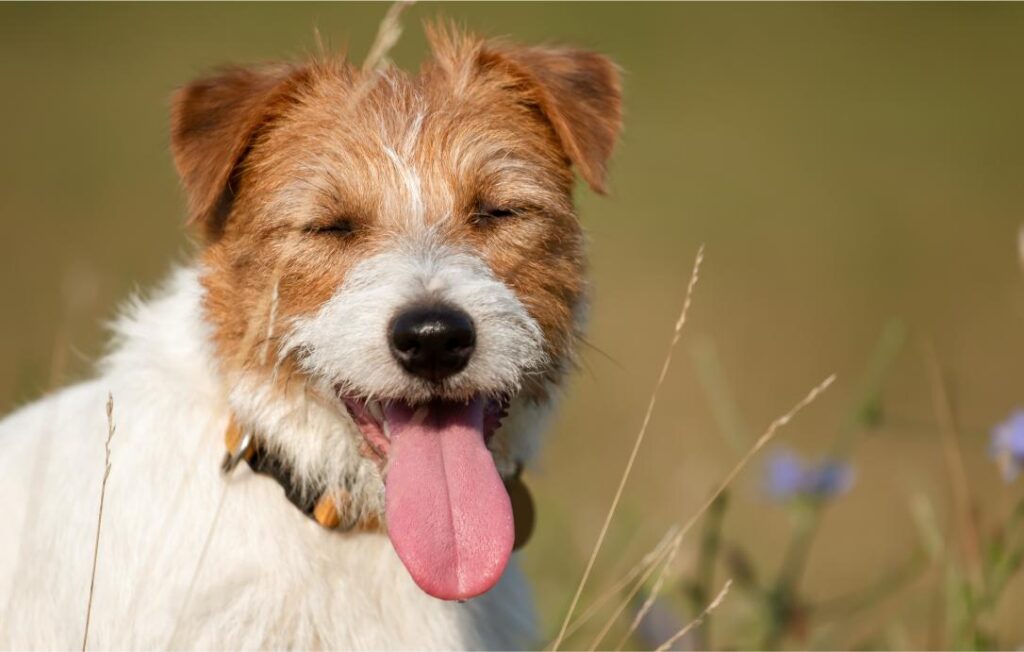
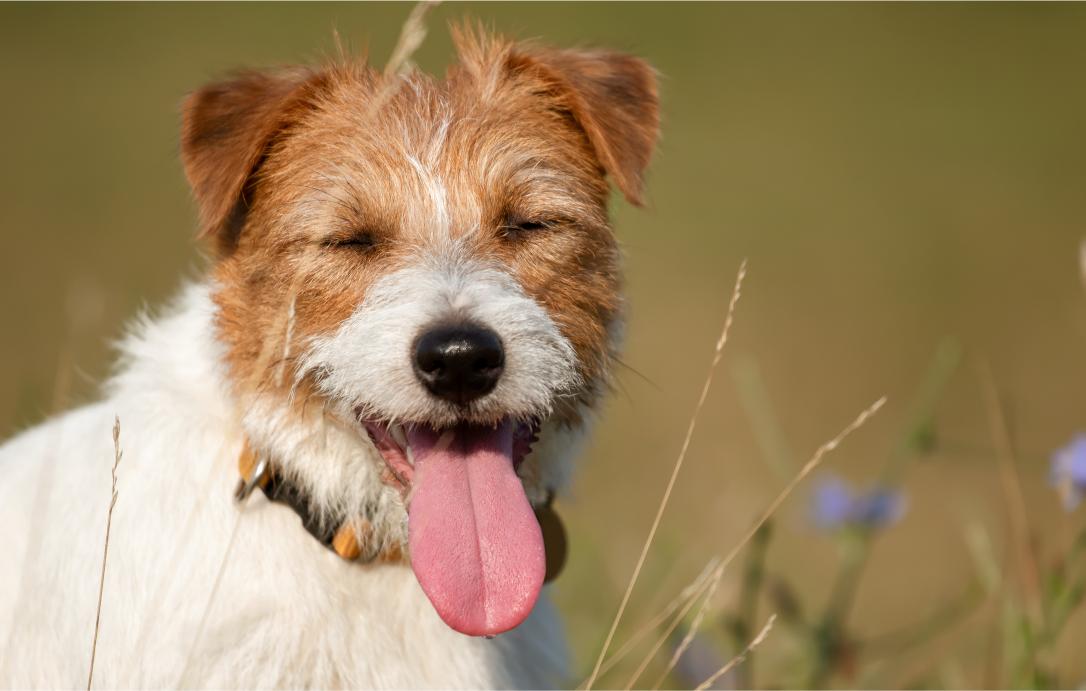
Unlike humans, dogs can’t sweat to regulate their internal body temperature. Instead, they pant, long tongues lolling out of their mouths and dripping “sweat” (saliva) out that way.
When your dog is breathing heavily in summer, especially after a romp around the block or an outdoor play session, it’s a sign that her body is working to regulate that body temperature.
But when the heat, heavy humidity, and any type of outdoor exertion combine, the panting might not be enough to cool your pet down. Heat stroke can happen when your pup’s body temperature rises above 102.5°F and he can no longer cool himself down through panting.
Common causes of heatstroke can include:
- Spending any amount of time in hot or humid weather, especially if it’s extreme
- Exercising during peak heat hours
- Being left in a parked car, even for just a minute
- Any lack of access to shade or water during time spent outside
In addition, some dog breeds—like brachycephalic breeds (bulldogs and pugs, for example), elderly dogs, and overweight pets—are more susceptible to heat stroke. (Try these fun indoor activities for pets instead of heading outside in the summer).
What to Do if Your Dog is Panting Excessively
If your dog seems to be panting twice as quickly as normal, or if the heavy panting lasts longer than a few minutes, it’s time to act.
Immediate steps to cool your pup down include:
- Moving her to a cool, shady, or indoor, air-conditioned space
- Offering small bowls of cool (not ice-cold) water
- Placing cool, damp washcloths and towels on exposed areas of the body, such as her belly and paws
Make sure you don’t plunge your pup into an ice bath or offer ice-cold water when she’s panting heavily. Doing this can actually constrict your pet’s blood vessels, which can make it harder for her body to cool down.
Gradual cooling is more effective. And if your dog’s heat stroke symptoms don’t start getting better within minutes, veterinary care is in order.
Symptoms Your Dog is Overheating
It’s not always completely clear when your dog’s overheating symptoms cross into the danger zone, but generally, here’s what to look out for:
- Rapid-fire panting or drooling
- Lethargy, weakness, or unusual tiredness after spending time outdoors
- Vomiting, diarrhea, or any symptoms of gastrointestinal upset
- Gums that are bluish-purple or bright red instead of pastel pink
- Any staggering or collapsing, as though your pet is inebriated
If you notice any of these symptoms of overheating—and especially if your pet is displaying more than one—call your nearest urgent or emergency veterinarian right away. Heat stroke can quickly cause permanent damage to your pet’s organs. In severe cases, it can be fatal.
Our team at Blue Ravine Animal Hospital offers urgent care services during our normal hours—and we’re open 6 days a week. Call ahead at (916) 984-0990 to let us know you’re coming, or to schedule a regular appointment as a post-heat stroke follow-up.