

Elevated Liver Enzymes in Pets: What Bloodwork Results Can Actually Mean
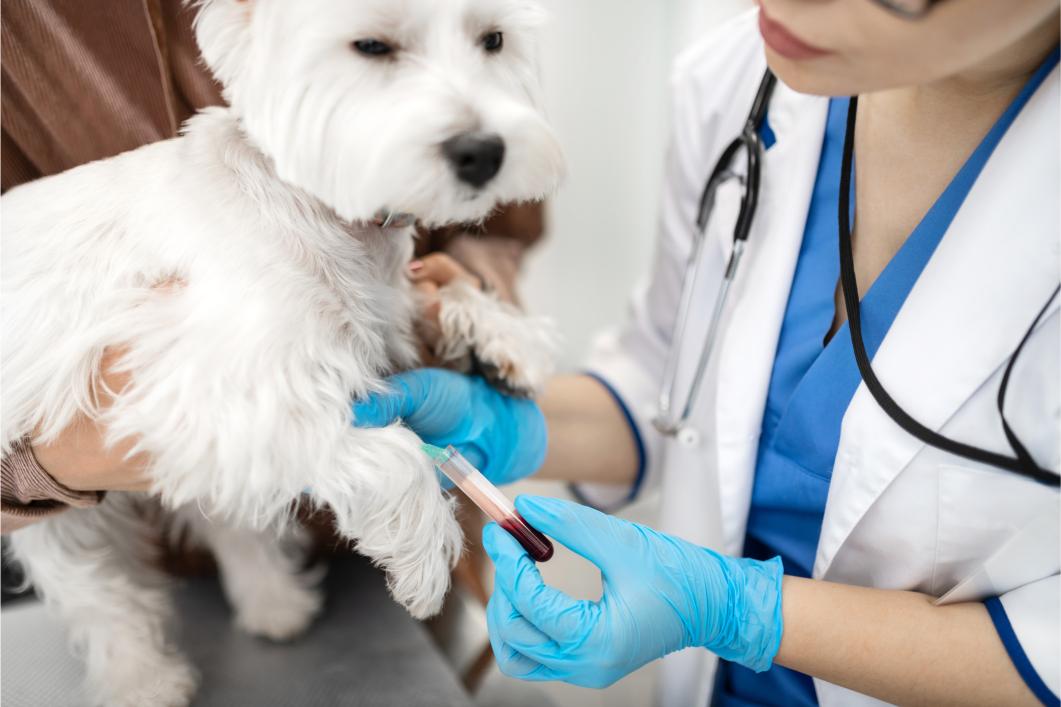
You bring your pet in for routine lab work, and everything seems fine. Then the call comes: “Your pet has elevated liver enzymes.” But before you jump to worst-case scenarios, take a breath. Elevated liver values can mean many different things, and not all of them are serious. At Blue Ravine Animal Hospital, we believe informed pet owners make calmer, better decisions. Liver bloodwork is a great example of why context matters.
What Are Liver Enzymes, Anyway?
Liver enzymes are substances found inside liver cells that help regulate metabolism, digestion, and detoxification. When liver cells are irritated, inflamed, or damaged, these enzymes can leak into the bloodstream, which is what shows up on your pet’s blood test.
In pets, veterinarians often focus on ALT and ALP, two key markers that help paint a picture of liver health. Elevated levels don’t automatically mean liver failure, but they do tell us the liver is reacting to something.
Common Reasons Liver Enzymes May Be Elevated
There are many explanations for elevated liver enzymes in a dog or abnormal liver values in cats. Some are temporary, while others require closer monitoring or treatment.
Here are some common possibilities veterinarians consider when reviewing pet bloodwork for the liver:
- Recent medications, including steroids or anti-seizure drugs
- Dietary indiscretion or toxin exposure
- Infections or inflammatory conditions
- Endocrine disorders such as Cushing’s disease
- Age-related changes
- Underlying liver disease in cats or dogs
Sometimes, health problems that don’t start in the liver—such as hormonal, digestive, or pancreatic conditions—can still cause liver enzymes to rise. This is why a full evaluation is important before assuming there’s a serious liver problem.
Elevated numbers don’t tell the whole story. Your pet’s age, breed, symptoms, medical history, and overall exam findings all matter.
ALT vs. ALP: What’s the Difference?
Not all liver enzymes tell the same story. ALT and ALP in pets often rise for different reasons, and interpreting them correctly helps guide next steps.
ALT (alanine aminotransferase) typically increases when liver cells are damaged or inflamed. ALP (alkaline phosphatase) can rise due to liver issues, but may also increase because of hormone imbalances, certain medications, or normal growth in young pets.
That’s why a single elevated value doesn’t equal a diagnosis. It’s a starting point for investigation.
When Elevated Enzymes Are a Bigger Concern
Sometimes, elevated liver enzymes resolve on their own or normalize with simple changes. Other times, they signal something more complex that needs further evaluation.
Your veterinarian may recommend additional diagnostic testing, such as:
- Repeat bloodwork to track trends over time
- Urinalysis to assess kidney and metabolic health
- Abdominal ultrasound to visualize the liver
- Specialized liver testing if indicated
These steps help determine whether liver disease in cats or dogs is present. And if so, how early it’s caught. Early detection often leads to better outcomes.
Why Monitoring Matters, Even If Your Pet Feels Fine
One of the trickiest parts of liver disease is that pets often feel “normal” in the early stages. No vomiting. No appetite loss. No dramatic symptoms. Bloodwork changes may be the first and only clue that something’s brewing.
That’s why routine wellness exams are so valuable. It allows veterinarians to intervene before a minor issue becomes a major one.
Let’s Talk About Your Pet’s Results
Our experienced veterinarians and staff are here to help you understand what your pet’s bloodwork truly means and what, if anything, should happen next.
To schedule a visit or discuss your pet’s results, call (916) 984-0990 today. We’re proud to provide thoughtful, comprehensive care for pets throughout Folsom and the surrounding communities, and we’re always happy to walk you through the details.