


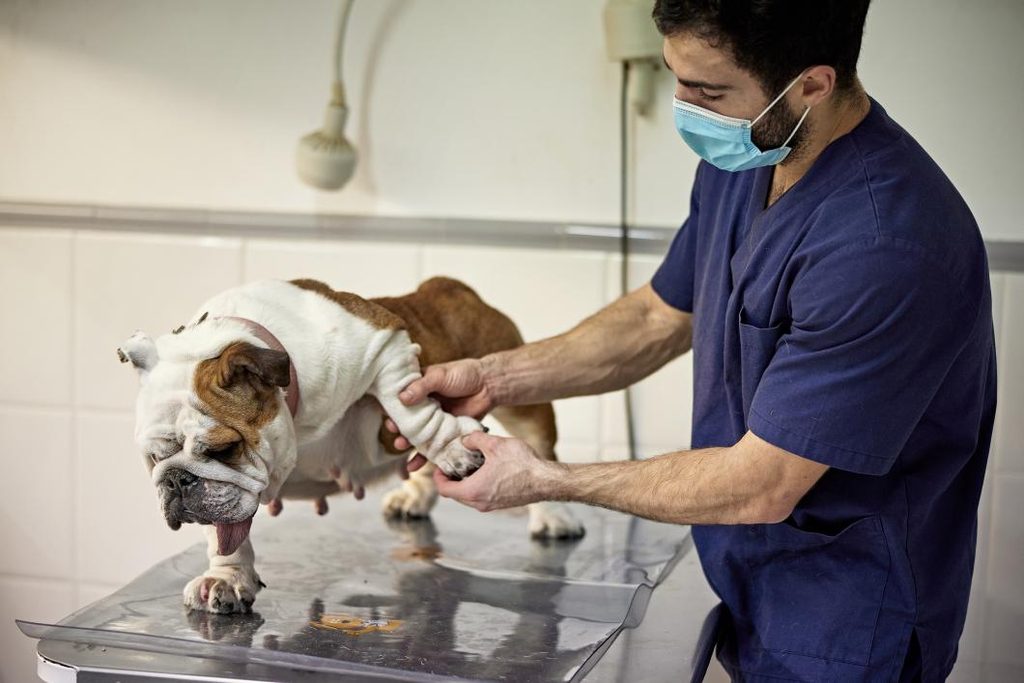
Why Is My Dog Slowing Down? Early Signs of Arthritis Before Winter
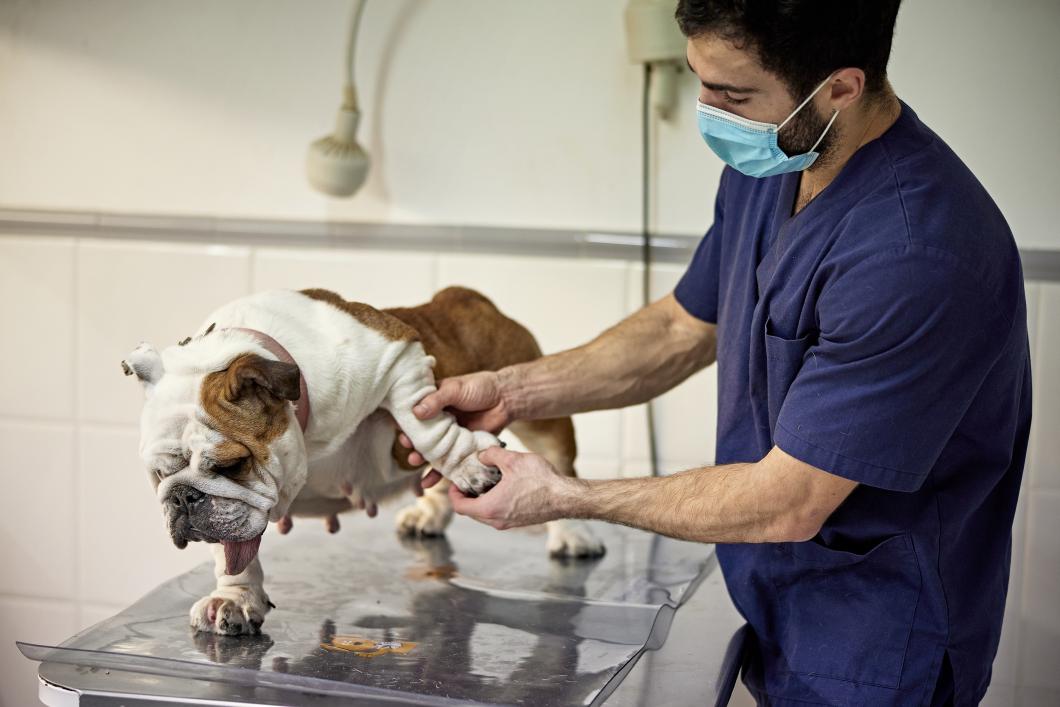
If you’ve noticed your dog moving a little slower, taking a little longer to jump off the couch, or acting less energetic, it may indicate that it’s time for a wellness check at Blue Ravine Animal Hospital. Sometimes these little signs are more than normal symptoms of aging, and are actually the early signs of arthritis.
Dogs are experts at hiding discomfort, so knowing what to watch for makes all the difference. Catching dog arthritis symptoms early can help your furry best friend have a happy and healthy life.
Maybe It’s Something More Than Aging
Aging is a natural part of life, but slowing down isn’t always normal. Arthritis develops gradually, and the first signs may be surprisingly subtle.
Even though your dog might still greet you at the door, wag their tail, and beg for treats like nothing is wrong, their joints may be telling a different story.
Early signs of arthritis in dogs to watch for are:
- Taking longer to get up after a nap
- Moving stiffly first thing in the morning
- Hesitating before jumping into the car
- Avoiding stairs or furniture
- Walking shorter distances
- Sleeping more and playing less
- Limping, even if it comes and goes
- Having trouble finding a comfortable position
You may even notice your dog stretching a little longer before taking those first few steps. That morning stretch may look adorable, but if it happens regularly, it could be worth mentioning to your veterinarian.
Cold Weather Makes Stiff Joints More Noticeable
Cold weather does not cause arthritis, but chilly temperatures can make existing stiffness and dog joint pain more noticeable. When the temperature drops, dogs with already uncomfortable joints may have a harder time getting moving.
This can be especially noticeable in older pets. Senior dog stiffness may show up after sleeping, resting, or spending time outside in colder weather. Your pet may be perfectly happy being a professional napper, but a noticeable change in mobility is something worth paying attention to.
Behavioral Changes to Watch For
One of the tricky things about arthritis is that it can creep in slowly. You may not realize your dog is doing less until you look back and notice just how much has changed.
Maybe your dog used to race around the backyard, but now watches from the porch. Maybe walks that once left them bouncing with excitement now leave them ready for a long nap. They may even stop jumping onto the couch and wait for you to give them a little boost. These everyday changes can be clues that your dog is uncomfortable.
If you notice changes in your dog’s mobility, activity level, or behavior, talk with your veterinarian. Arthritis cannot always be cured, but there are many ways to help manage discomfort and support healthy mobility.
Keep Your Pet Mobile & Comfortable
Getting older should not mean giving up all the things that make your dog happy. If you’ve noticed arthritis symptoms, don’t assume your pet is just slowing down because of their age. A conversation with your veterinarian will help determine what is really going on—and what you can do to keep those four little paws moving happily.
At Blue Ravine Animal Hospital, we’re here to help your dog stay comfortable through every season of life. Growing older should mean more naps in the sunshine, more treats, and plenty of playtime. Call us today at (916) 984-0990 to schedule your pet’s next wellness examination.