



Why Does My Dog Have a Persistent Cough? Heart Disease vs. Kennel Cough
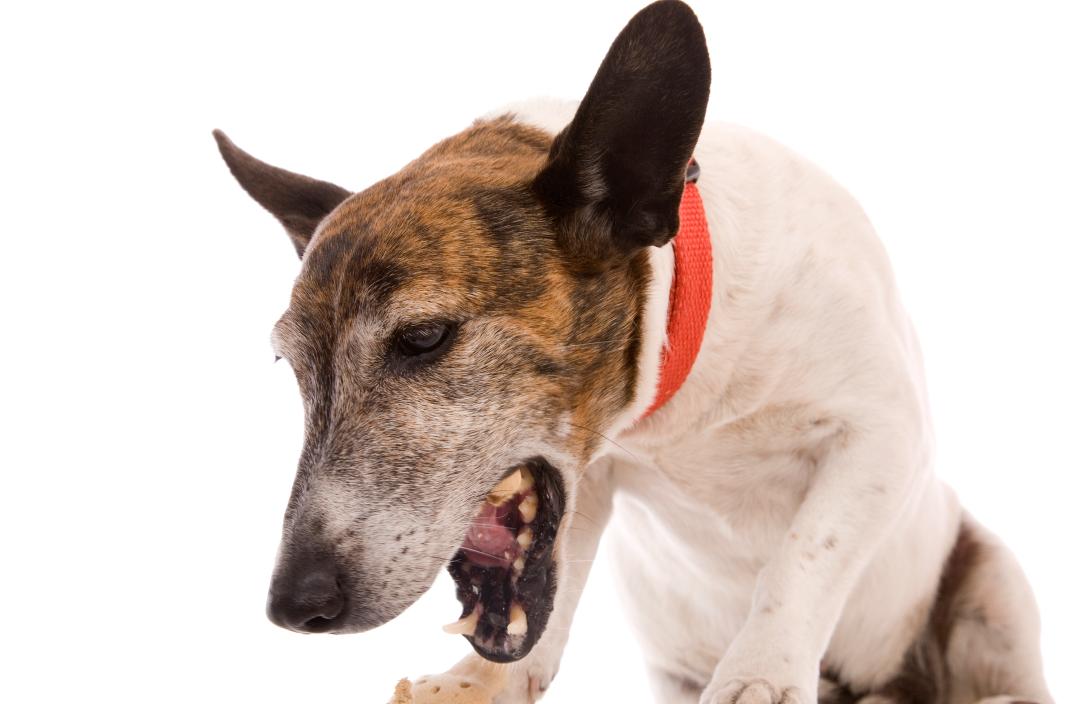
Hearing your dog cough day after day can be unsettling, especially when you are not sure what is causing it. Some coughs clear up quickly, while others may point to a more serious health issue that needs veterinary attention. At Blue Ravine Animal Hospital in Folsom, California, our veterinarians and staff understand how stressful it can be when your pet isn’t acting like themselves. Knowing the difference between common dog coughing causes, including kennel cough and heart disease, can help you decide when it is time to schedule an exam.
What Does Kennel Cough Sound Like?
Kennel cough is a highly-contagious respiratory infection that spreads easily in places where dogs gather, including boarding facilities, grooming salons, dog parks, and daycare centers. Many owners describe the cough as a harsh, dry, “honking” sound.
Common kennel cough symptoms may include:
- A persistent dry cough
- Gagging or retching after coughing
- Sneezing
- Mild nasal discharge
- Low energy
- Reduced appetite in some dogs
Some dogs with kennel cough otherwise seem completely normal and continue eating, playing, and acting energetic. However, puppies, senior dogs, and pets with weakened immune systems may develop more serious complications.
The good news is that many mild cases improve with rest and supportive care. Still, because kennel cough symptoms can overlap with other respiratory conditions, it is important not to assume every cough is harmless.
When a Cough May Point to Heart Disease
Not every persistent cough starts in the lungs or airways. In some dogs, coughing develops because of underlying heart disease. A congestive heart failure dog cough often occurs when fluid builds up in or around the lungs because the heart isn’t pumping efficiently.
This type of cough may look different from kennel cough and can gradually worsen over time. You may notice:
- Coughing that becomes worse at night
- Coughing during rest or sleep
- Reduced stamina on walks
- Heavy or rapid breathing
- Fatigue
- Fainting episodes
- A swollen abdomen in advanced cases
Because heart-related coughing can sometimes sound mild at first, many pet owners mistake it for allergies, aging, or a lingering respiratory infection. Unfortunately, delaying care can allow the condition to progress.
How Veterinarians Diagnose the Cause of a Persistent Cough
Since several conditions can cause coughing, a physical exam is usually the first step toward finding answers. Your veterinarian will consider your dog’s age, breed, health history, lifestyle, and the sound and timing of the cough.
Diagnostic testing may include:
- Chest X-rays
- Bloodwork
- Heartworm testing
- Oxygen evaluation
- Cardiac imaging or ultrasound
At Blue Ravine Animal Hospital, our advanced diagnostic capabilities help us identify the source of your dog’s symptoms as accurately and efficiently as possible. Whether the issue turns out to be kennel cough, heart disease, or another condition entirely, early diagnosis often leads to better outcomes and more effective treatment options.
When Should You Call the Vet?
An occasional cough may not always signal an emergency, but a cough that lingers for more than a few days deserves attention. You should contact your veterinarian promptly if your dog:
- Has trouble breathing
- Seems unusually tired
- Stops eating
- Develops a worsening cough
- Coughs up fluid or foam
- Has blue-tinged gums
- Experiences coughing fits that interrupt sleep
Trust your instincts. You know your dog best, and even subtle changes can matter.
If your dog has a persistent cough or you are concerned about possible kennel cough symptoms or heart disease, contact us at (916) 984-0990 to book an appointment. Our compassionate team is here to help your pet breathe easier and feel better as soon as possible.