

September 28 is World Rabies Day
Every year on 28 September, the global community comes together to raise awareness about rabies elimination! This year’s World Rabies Day theme, “Stronger Together,” highlights a simple truth: rabies elimination is only possible when we work together.
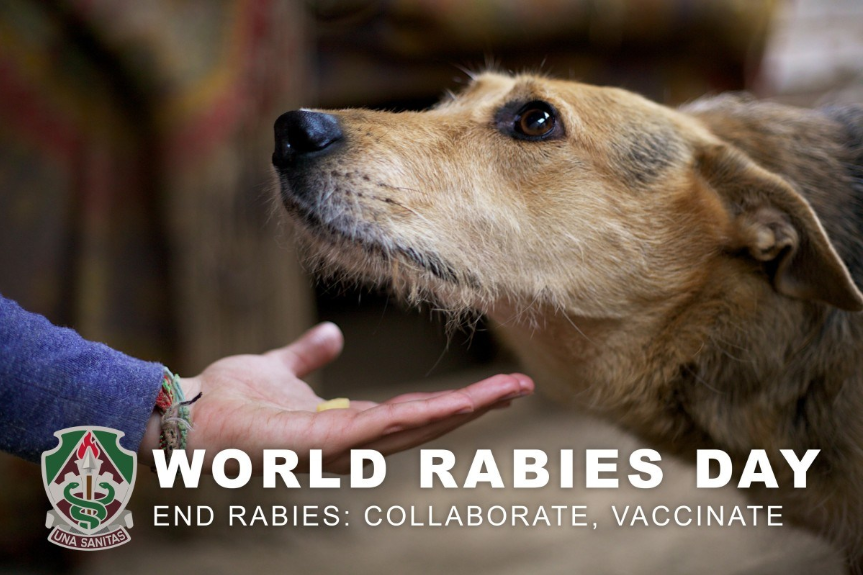
From local communities and veterinary professionals to governments, healthcare workers, educators, and global partners, we all have role to play in making a world free from rabies a reality.
WHY “STRONGER TOGETHER”?
Although many communities have eliminated rabies, too many challenges remain: Gaps in communication, fragmented systems, and duplicated efforts can slow progress.
The 2026 theme calls on all stakeholders to strengthen partnerships and align efforts across human and animal health systems.
When we work together, we can:
- Expand access to life-saving dog vaccinations.
- Improve rabies surveillance and reporting systems.
- Strengthen public awareness and education.
- Support policies that protect both people and animals.
- Build sustainable community-led solutions.
- Rabies elimination depends on connected systems. Stronger partnerships create stronger outcomes.
WE ALL HAVE A ROLE TO PLAY
Communities: Communities are often the first line of defense against rabies. Education, awareness, and responsible animal care help prevent cases before they happen.
Veterinary Professionals: Mass dog vaccination remains the most effective way to stop rabies at its source.
Healthcare Workers: Timely treatment and accurate diagnosis save lives.
Governments and Policymakers: Strong legislation, investment, and national coordination are essential for long-term progress.
Global Partners: Collaboration across sectors helps share resources, expertise, and solutions that accelerate impact.
ONE HEALTH IN ACTION
Rabies elimination depends on interconnected action. Education, vaccination, surveillance, and legislation cannot work in isolation, they must function as part of one coordinated system.
World Rabies Day 2026 reinforces the importance of a One Health approach, recognizing the connection between human, animal, and environmental health.
HOW YOU CAN GET INVOLVED
Join the global movement this World Rabies Day by:
- Hosting a local awareness event
- Sharing educational resources in your community
- Vaccinating dogs against rabies
- Partnering with local organisations
- Sharing your story on social media
- Advocating for stronger rabies prevention policies
No contribution is too small, your actions matter. Because we are Stronger Together.
On World Rabies Day this September, the global community is reminded that rabies—one of the deadliest viral zoonotic diseases known to man—still affects people and animals worldwide, with the canine variant of the virus causing the death of tens of thousands of people.
The virus can be transmitted to people via direct contact with saliva of an infected animal through a bite or other open wound. Rabies is almost always fatal to humans unless post-exposure prophylaxis is administered shortly after exposure. Domestic dogs, along with wild mammalian species, such as bats, foxes, raccoons, and skunks, can serve as a reservoir for the rabies virus.
Despite major progress eliminating the canine variant of the rabies virus in the United States and most developed nations through stringent dog vaccination programs, canine rabies continues to claim the lives of an estimated 70,000 people annually, many of them children, in more than 150 countries.